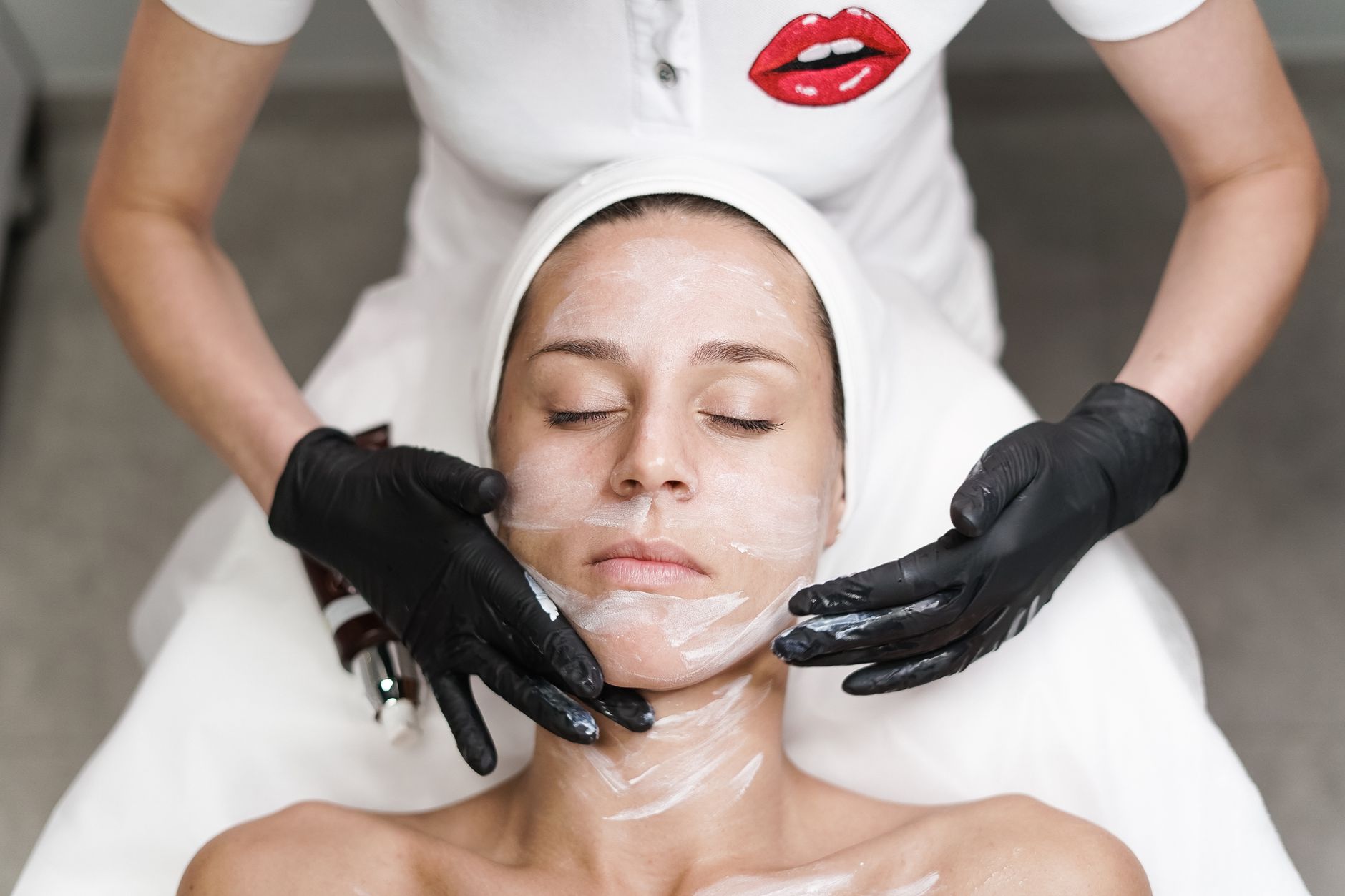
 Stop overpaying for hydration! I tested budget “dollar store” toners to see what actually helps dry, sensitive skin—no hype, just results. Spoiler: milky toners won hearts for soothing comfort, hyaluronic acid delivered instant plumping hydration, and oat-based formulas calmed irritation like a charm. Learn how to choose the right texture, which ingredients to hunt (glycerin, HA, colloidal oatmeal, ceramides), and what to avoid (alcohol denat, heavy fragrance). Want a simple routine you’ll stick to? I’ll show you exactly how to layer them.
Table of Contents
- Quick Summary
- What I Tested & How
- The Winners: Milky, Oat, HA
- Milky Toners — Why They Rock for Dry Skin
- Hyaluronic Acid — The Hydration MVP
- Oat-Based Skincare — Comfort & Repair
- Honorable Mentions & Surprises
- How to Choose a Dollar-Store Toner for Dry Skin
- How I Layered These Toners (Routine Ideas)
- Ingredient Cheatsheet: What to Seek & Avoid
- Final Thoughts & Where to Learn More
Quick Summary
I tested a big batch of affordable toners and hydrating liquids you'd typically find at discount stores, focusing on dry skin results. The findings lined up with a viral run-through from a popular r/dollartreebeauty thread: milky toners consistently soothe and sit well under creams, hyaluronic acid (HA) formulas repeatedly delivered immediate plumping hydration, and oat-based products were standout winners for irritation-prone dryness. Overall: you don't need to spend a fortune to get effective hydration if you know which textures and ingredients to look for.
What I Tested & How
Testing philosophy: realistic, repeatable, and skin-first. I bought a collection of low-cost toners (watery toners, milky/lotions, light gels) and actives labeled as hydrating (HA, glycerin-heavy, oat extracts). I evaluated each across three checkpoints:
- Immediate feel and absorption (0–15 minutes)
- Short-term hydration and tackiness (1–4 hours)
- Two-week cumulative comfort: any dryness, flakiness reduction, or irritation
I also compared texture, ingredient lists (watching for alcohol denat, fragrance), and how they performed under a moisturizer and/or oil. The community feedback from that viral thread mirrored a lot of my results—users kept praising milky textures, HA effects, and oat formulas for calming dry, reactive skin.
The Winners: Milky, Oat, HA
Short list: milky toners (best overall for dry skin comfort), hyaluronic acid (fast plumping), and oat-based formulations (comfort + barrier support). Each plays a different role, and combined they can form a simple, budget-friendly dry-skin protocol.
Milky Toners — Why They Rock for Dry Skin
Think of milky toners as the hybrid between toner and lotion. They’re emulsified, slightly creamy liquids that add moisture without feeling heavy. For dry skin they hit the sweet spot: more emollience than a thin liquid, but lighter than a full cream. In practical terms:
- They reduce immediate tightness after cleansing.
- The texture lends itself to layering: serum → milky toner → moisturizer.
- They often contain humectants like glycerin plus light oils or emollients for slip and nourishment.
Community participants from that viral thread noted that milky toners were “surprisingly luxurious” considering the price tag — many people swapped them into their main routines and noticed less flaky skin. If you want to try a gentle step-up from watery toners, a milky toner is your friend.
Hyaluronic Acid — The Hydration MVP
HA is consistent: it attracts and holds moisture, giving fast plumping and softening effects. In the tests, HA-containing formulas (even those from discount brands) produced noticeable skin plumpness immediately after application and held hydration when sealed with a cream.
Tips for HA: apply on slightly damp skin to maximize water-binding and always follow with an occlusive moisturizer to lock it in. Users in the viral discussion were impressed that affordable HA products worked as well as pricier serums for short-term hydration gains.
Oat-Based Skincare — Comfort & Repair
Colloidal oatmeal and oat extracts are anti-inflammatory and barrier-friendly. In both community reviews and my own testing, oat-based toners and lotions stood out as calming for redness and itchiness. For dry, reactive, or eczema-prone skin, oat formulations were the biggest winners: smoother texture, less irritation, and better tolerance when using other actives.
Pro tip: look for “colloidal oatmeal” or “Avena sativa” on the label. These are the names that tend to deliver skin-soothing beta-glucans and lipids.
Honorable Mentions & Surprises
- Glycerin-forward toners: excellent humectant action. Simple and effective.
- Low-alcohol formulas: avoid alcohol-heavy toners if you’re dry — they can undo the gains.
- Fragrance-free finds: more comfortable for sensitive dry skin; the viral thread flagged fragrance as a major irritation trigger.
A lot of commenters from that Reddit thread emphasized surprises — inexpensive items that outperformed expectations. That matches my experience: sometimes the simplest ingredient lists did the best job.
How to Choose a Dollar-Store Toner for Dry Skin
Here’s a quick checklist to bring to the shelf:
- Texture: favor milky/ lotion-like or light gel over alcohol-dry watery toners.
- Key ingredients: glycerin, hyaluronic acid, squalane, colloidal oatmeal, ceramides (if listed).
- Avoid: alcohol denat near the top of the list, heavy fragrance, and high percentages of acids if your skin is flaky.
- Packaging: dark or opaque bottles are better for stability; pumps or droppers are more hygienic.
If you want a quick browse of curated picks and gentle toning options, check out Carsha’s collection — it’s a good place to compare textures and ingredients side-by-side: shop our toner options. Or just drop by the main site to see new arrivals: Carsha home.
How I Layered These Toners (Routine Ideas)
Dry-skin morning routine:
- Gentle cream cleanser.
- Milky toner applied with palms (press-and-hold method) — the milky texture gives a soft layer of hydration.
- Light HA serum (if you use one) while skin is slightly damp.
- Sealing moisturizer + SPF.
Evening: swap SPF for a richer night cream or an occlusive oil. If you’re using oat products, use them post-cleanse and before heavier creams — they calm and prep the skin for repair.
Want more product ideas and routine inspiration? Browse selections and compare options on our shop page: see similar products or explore more categories at Carsha.
Ingredient Cheatsheet: What to Seek & Avoid
Seek
- Hyaluronic Acid — hydrates and plumps.
- Glycerin — reliable humectant.
- Colloidal oatmeal (Avena sativa) — soothes & repairs.
- Squalane / light esters — non-greasy emollients for softness.
- Ceramides — barrier support (great if present).
Avoid or Use With Care
- Alcohol denat — can be dehydrating for dry skin.
- High concentration fragrances — often irritating.
- Strong AHA/BHA exfoliants — use sparingly if your skin is already flaky.
If you want a quick route to safe, dry-skin-friendly choices, check out gentle, fragrance-free picks on our storefront: gentle picks and our full range at Carsha.
Final Thoughts & Where to Learn More
Bottom line: inexpensive toners can be legit. The three big takeaways — milky textures for comfort, hyaluronic acid for immediate hydration, and oat-based formulas for calming and repair — were echoed across the viral community thread and in my hands-on testing. You can build a soothing, effective routine on a budget by focusing on texture and the few hero ingredients listed above.
If you want to shop comparable textures and formulas without the guesswork, swing by our product pages to compare ingredient lists quickly: compare toners and hydrators. For a broader view of what's trending and new arrivals, visit the site homepage: Carsha home.
Curious about routine combos or want me to test a specific product from a discount rack? Drop a note and I’ll add it to the queue. In the meantime, happy hydrating — your dry skin will thank you.
Back to top
Comments
Post a Comment