 K-beauty double cleansing should leave your skin calm—not tight, dull, or breaking out. In this clickable guide, you’ll discover why your cleansing balm “fails” (and what real cleansing is supposed to do). We expose the most common mistakes—skipping emulsification, scrubbing too hard, rinsing too hot, and using the wrong balm balance—that can trigger dryness and clogged pores. Then meet the secret weapon: Acro Three Balancing Cleansing Balm. Learn exactly how to use it step-by-step, pair it with your routine, and troubleshoot residue, irritation, and stubborn breakouts.
- Why your K-beauty cleanse fails (and what “cleansing” should actually do)
- Common K-beauty cleansing mistakes that cause dullness, breakouts, and dryness
- The real purpose of a balancing cleansing balm
- Acro Three Balancing Cleansing Balm: the secret behind a better first cleanse
- How to use acro three balancing cleansing balm correctly (step-by-step)
- Timing, technique, and rinse rules: the details most people skip
- How to pair your balm with the rest of your routine
- Troubleshooting: what to do if you’re still not getting clean skin
- Choosing an authentic cleansing balm: what to look for
- FAQ: acro three balancing cleansing balm and double cleansing
Why your K-beauty cleanse fails (and what “cleansing” should actually do)
K-beauty double cleansing is famous for leaving skin comfortable, clear, and “reset” after a long day. Yet many people experience the opposite: clogged pores, tightness, redness, flaking, or breakouts that feel random. The reason is rarely that double cleansing “doesn’t work.” It’s usually that the cleanse isn’t actually doing its job.
A successful cleanse has three outcomes: it dissolves makeup and sunscreen, lifts away oil-based debris without stripping your barrier, and sets you up for your water-based cleanser to finish the process. If your first step fails—often because the cleansing product is used incorrectly—everything after becomes harder. Your second cleanser may start fighting residue instead of simply completing the cleanse, which can lead to over-cleansing and irritation.
This is where the right type of product matters. A balancing cleansing balm is designed for the messy “oil layer” that makeup, SPF, and sebum create. The goal is not just “remove everything.” The goal is to remove the right things in the right way, so your skin doesn’t feel stripped or overwhelmed.
Common K-beauty cleansing mistakes that cause dullness, breakouts, and dryness
Let’s get specific. If your skin looks gray, feels greasy shortly after cleansing, or breaks out around the same areas, these are the most common culprits.
1) You skip the breakdown step (or massage too briefly)
Many people swipe cleansing balm across dry skin and rinse immediately. But balm is an emulsifier and solvent system. It needs time and gentle pressure to melt and break down sunscreen and long-wear makeup. If you don’t allow the balm to transform and emulsify, you won’t fully dissolve residues.
2) You use too much cleansing force
Scrubbing can cause micro-irritation, especially around the cheeks, jawline, and temples where skin is more reactive. The skin can respond by producing more oil or becoming inflamed—both can look like “clogged pores” or “mysterious breakouts.”
3) You rinse too aggressively or with overly hot water
Hot water can worsen dryness and compromise your barrier. Rinsing too aggressively also disperses water-in-oil residues so they cling more stubbornly to the skin. The result? You feel “clean,” but your pores and surface aren’t actually fully cleared.
4) You double cleanse with the wrong balance
If your first cleanser is too heavy without emulsifying properly, you may get residue. If it’s too stripping, your barrier gets uncomfortable. A balancing formula is often the missing link: it helps you remove buildup while keeping skin calm.
5) You cleanse longer than your skin can tolerate
More time isn’t always better. Over-cleansing can disrupt your skin’s lipid layer. If your skin feels squeaky after cleansing, you may be removing too much. The “clean” feeling should be comfortable—not tight.
6) Your cleanser is expired or not suited to your climate
Oil-based products can separate over time, and some ingredients lose stability. Also, living in a dry climate or using strong actives (like retinoids or exfoliating acids) increases sensitivity, making gentle but effective cleansing crucial.
The real purpose of a balancing cleansing balm
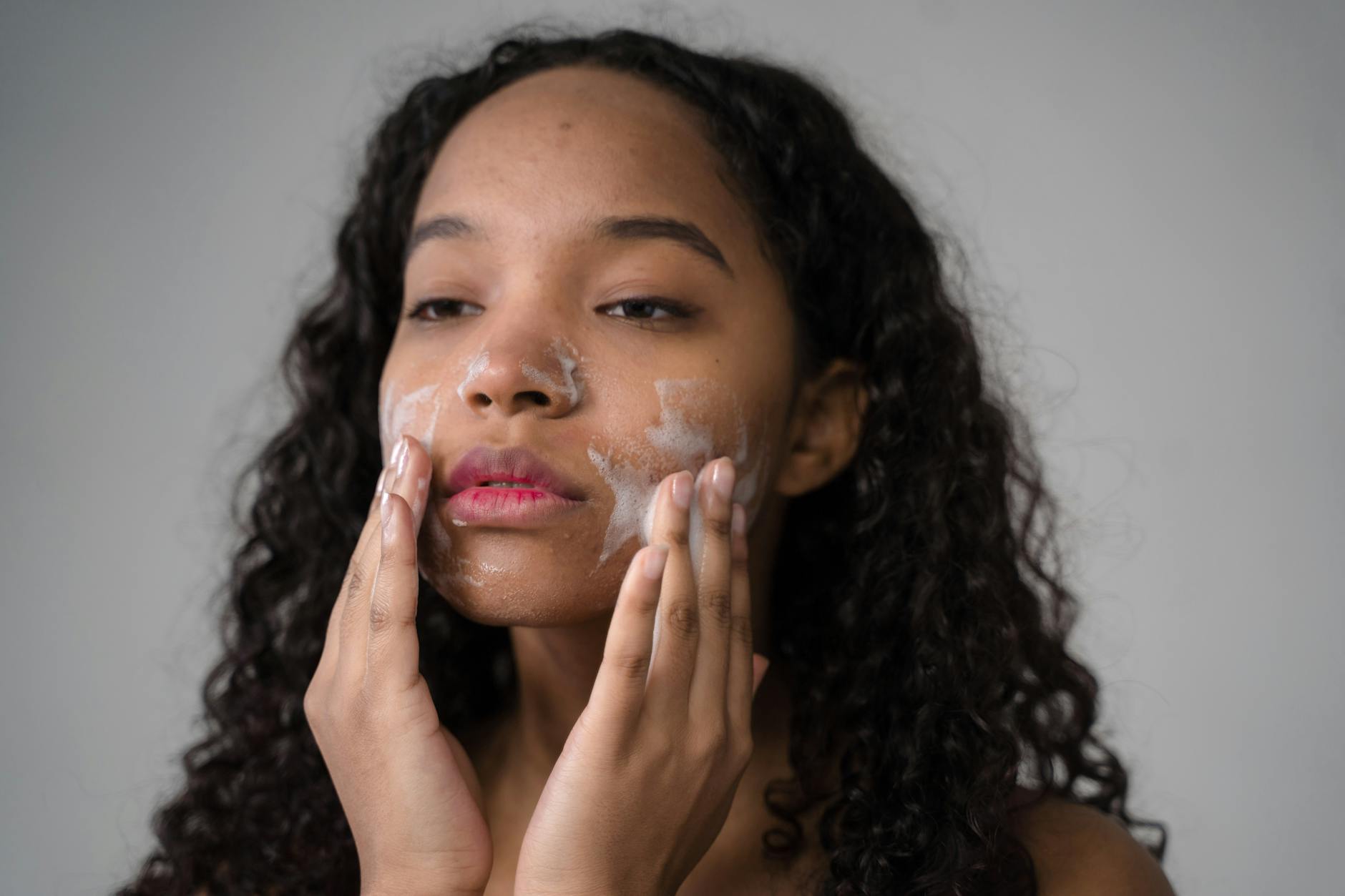
To understand why K-beauty cleanse routines sometimes fail, it helps to understand what a balm is built to do. A cleansing balm is an oil-soluble texture that melts upon contact with skin. When it emulsifies, it turns into a milky rinse that lifts away SPF, sunscreen filters, makeup pigments, and sebum without requiring harsh detergent strength.
But “cleansing” is not the only job. Your skin also needs balance—meaning it should not become dry, irritated, or inflamed. A balancing cleansing balm is typically formulated to help maintain a more comfortable surface and reduce the chance that cleansing triggers sensitivity.
When you choose a balancing balm and use it correctly, you can reduce the need to overwork your second cleanser. Your water-based cleanser then acts as the final rinse—removing leftover emulsified traces, sweat, and fine debris—rather than scrubbing through a stubborn oil film.
What happens when the first cleanse fails?
- Residue blocks water-based cleansing: Your second cleanser can’t fully work if there’s an oil layer still present.
- Breakouts appear “out of nowhere”: Oil trapped in pores can contribute to congestion, especially if your skin barrier is irritated.
- Dryness increases: If you rinse too much or cleanse too long because you feel “not clean,” you may strip protective lipids.
- Skin looks dull: Irritation and incomplete cleansing can both reduce glow.
Acro Three Balancing Cleansing Balm: the secret behind a better first cleanse
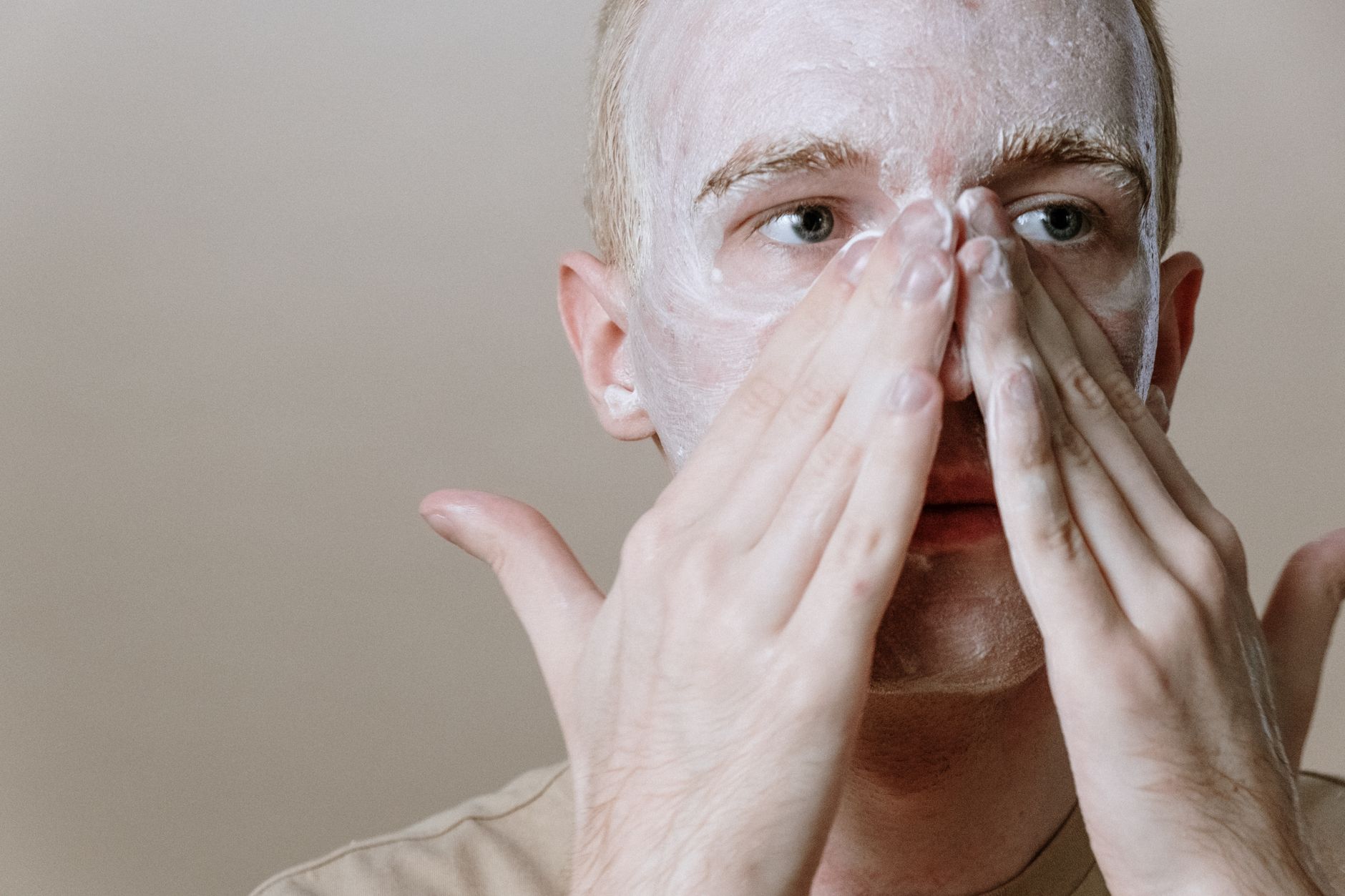
The keyword everyone is searching for—acro three balancing cleansing balm—is popular for a reason: the “balancing” part matters. When your first step dissolves and emulsifies effectively, your skin doesn’t have to endure extra friction. That’s the secret most people miss: the best cleanse is often the one that reduces effort and irritation at the same time.
Why balm type matters more than you think
Oil-based cleansers come in different categories: heavy/oily balms that melt but can be harder to rinse, and balms engineered to emulsify into a comfortable rinse. The goal is to avoid two extremes:
- Residue: when balm doesn’t emulsify fully or is rinsed too early.
- Stripping: when you compensate by scrubbing with a harsher second cleanser.
What “balancing” can mean for your skin
Balancing cleansing is often aimed at supporting comfort during cleansing. That can be especially helpful if you have combination skin, use SPF daily, or wear makeup frequently. Instead of leaving skin feeling reactive, a balancing balm helps your first cleanse feel smoother and more controlled.
How this balm supports double cleansing
In a proper double cleanse, your balm step should remove the bulk of oil-soluble debris so your second cleanser can do only what water-based cleansing does best: remove sweat, residue, and the remaining trace of emulsified particles.
If you want to shop confidently for your cleansing step, you can find the acro three balancing cleansing balm through trusted product listings. Using a consistent, authentic source helps reduce the risk of receiving an outdated or altered product.
Shop the acro three balancing cleansing balm and build your routine around a balm-first method for more reliable results.

How to use acro three balancing cleansing balm correctly (step-by-step)
If your K-beauty cleanse fails even when you have a great product, the technique is likely the issue. Here’s the approach that usually delivers the best results with a balancing cleansing balm.
Step 1: Start with dry skin
Apply the balm to dry face. This matters because the balm is designed to melt into oils and cling to sunscreen/makeup particles more effectively before water is introduced.
- Use enough product to cover your face evenly (think: a small scoop depending on face size).
- Focus on areas where sunscreen gathers—forehead, around the nose, chin, and jawline.
Step 2: Massage gently to melt and dissolve
Massage for about 30–60 seconds using light to medium pressure. The goal is to spread and emulsify without tugging your skin.
- Use small circular motions on cheeks.
- Press gently along the T-zone to break down thicker residue.
- Be extra gentle around the eyes and avoid direct rubbing of the lash line.
Step 3: Add water gradually to emulsify
This is one of the biggest “secrets” behind balm cleansing. Add small splashes or run lukewarm water over your face slowly as you continue massaging. The balm should transform into a softer, milky texture.
- If it stays oily and doesn’t turn milky, you may be rinsing too early or not enough time/movement.
- If you rinse immediately without emulsification, residue is more likely.
Step 4: Rinse thoroughly with lukewarm water
Rinse until the water runs clear and your skin doesn’t feel slick. The “slick” sensation doesn’t mean you need to scrub harder—it usually means you need more gentle time or a better rinse approach.
Step 5: Follow with your water-based cleanser (second cleanse)
Use a gentle cleanser that matches your skin needs. This step is for finishing: sweat, remaining particles, and leftover emulsified balm traces.
If you’re choosing products for sensitive or combination skin, consider shopping through reliable platforms that carry authentic skincare brands. For example, you can explore more skincare essentials and routines through retailers focused on quality and consistency—like this product listing for your cleansing balm base.
Timing, technique, and rinse rules: the details most people skip
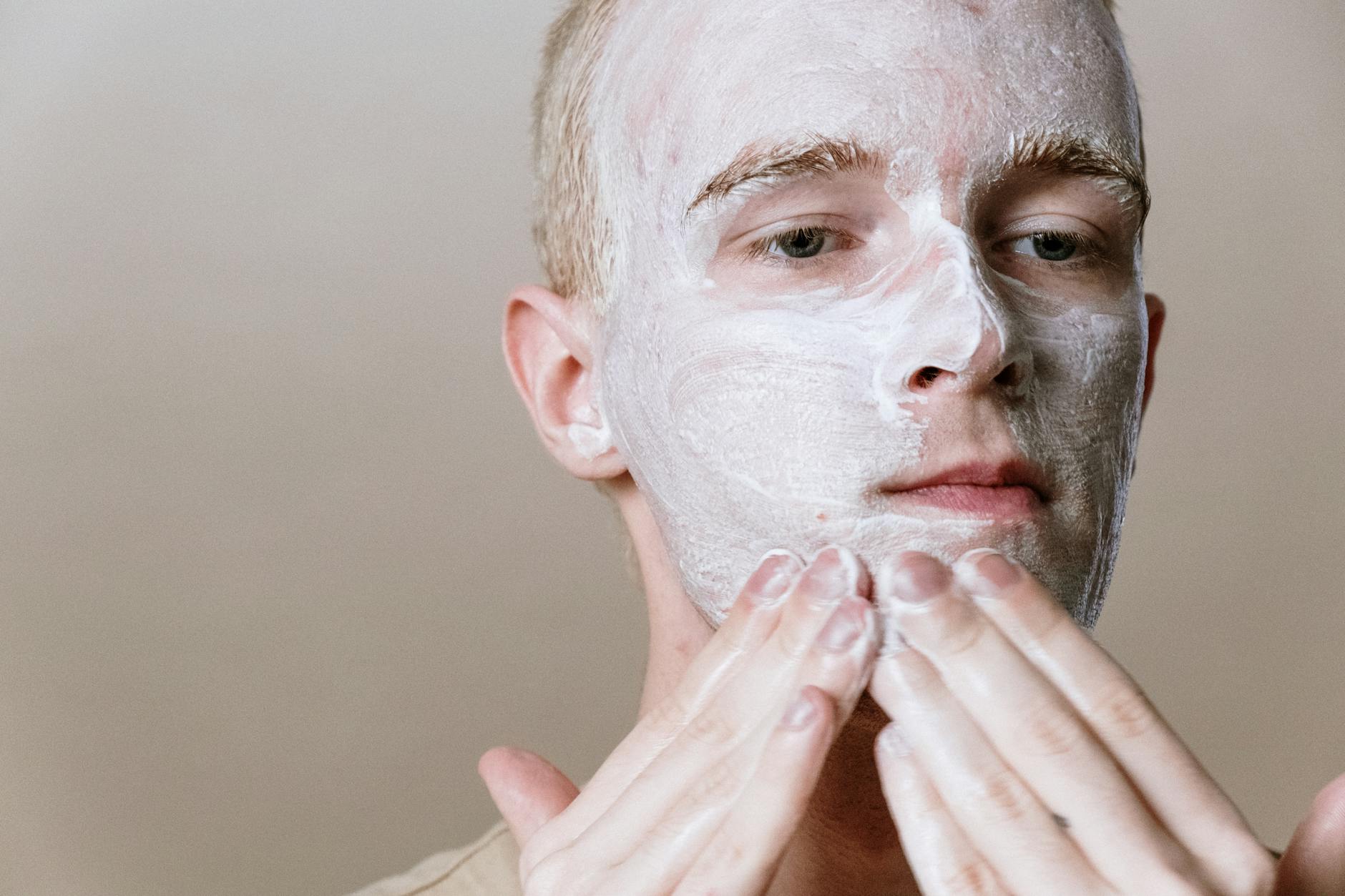
Even with the right product, inconsistent technique can lead to “why does my skin still feel dirty?” moments. Use these rules to upgrade your cleansing method.
Don’t rush the first emulsification
If you rush the balm transformation step, it may not dissolve sunscreen completely. That incomplete breakdown can make your second cleanse feel like it’s not working.
- Target ~30–60 seconds massage on dry skin
- Then add water and massage until it emulsifies (often another 15–30 seconds)
Rinse patiently, not aggressively
It’s tempting to blast water or scrub with a washcloth. Instead, rinse gently and thoroughly. If you use a cleansing tool (like a sponge or soft cloth), ensure it’s clean and not too abrasive. Tools can help, but they can also create micro-friction if used incorrectly.
Watch for “residue signals”
Try these checks:
- Skin feels slippery right after rinsing: emulsification or rinse may be incomplete.
- Skin feels tight immediately: the cleanser might be too stripping or you may be rinsing too hot/too long.
- Dry patches appear after a few minutes: your barrier might be compromised by irritation or over-cleansing.
- Breakouts increase: could be residue, over-rubbing, or not matching cleanser type to your skin needs.
Where to apply the balm for maximum payoff
You’ll get better results by paying attention to “concentration zones”:
- Along the hairline (where SPF often accumulates)
- Winged makeup or eyeliner areas (oil-based pigments can cling)
- Chin and sides of mouth (where sebum builds up)
- Temple area (common for residue + irritation)
How to pair your balm with the rest of your routine
Double cleansing is only one piece. Your cleanser pairing, actives, and moisturizing schedule all impact whether your skin stays balanced.
Second cleanse: choose comfort over squeaky-clean
Your water-based cleanser should feel clean but not stripped. If you’re using a cleanser that makes your skin feel squeaky, that could be your real problem—especially if you already remove oil effectively with balm.
Think of the water-based cleanse as the “finish line.” It shouldn’t require scrubbing.
Moisturize quickly to support the barrier
After rinsing, pat dry and apply your moisturizer within minutes. If your skin feels reactive right after cleansing, that’s your barrier asking for support. Balancing cleansing helps, but your post-cleanse steps complete the cycle.
Be careful with actives on cleansing nights
If you use retinoids or exfoliating acids, consider spacing them out. Over-cleansing + strong actives can trigger irritation that looks like acne. Keep your routine consistent so you can identify what’s causing changes.
Building a routine that feels “premium” (without overdoing it)
When your cleansing method is correct, skincare often feels simpler: fewer reactive flare-ups, less dryness, and better makeup wear-time. That’s why many people search for luxury cosmetics not because they want a “fancy” product, but because they want formulas that perform with less irritation. You can also source reliable cleansing staples through quality-focused vendors; for instance, you may find three-balancing cleansing balm as a routine anchor.
If you’re stocking up for your household or salon-style routine, consider browsing wholesale beauty supplies options that maintain product integrity and batch consistency. While availability varies, wholesale can help you keep your cleansing routine consistent and avoid frequent switching—one of the biggest causes of “my skin changed overnight.”

Troubleshooting: what to do if you’re still not getting clean skin
If you’ve started using acro three balancing cleansing balm and your concerns persist, don’t panic. Troubleshooting is usually about adjusting one variable: technique, timing, product quantity, or follow-up steps.
Problem: My skin feels dry or tight after cleansing
- Reduce massage time by a few seconds, but keep emulsification step intact.
- Switch water temperature to lukewarm.
- Ensure your second cleanser is gentle (avoid strong surfactants).
- Moisturize immediately after cleansing.
Problem: My face feels greasy shortly after washing
- Increase the emulsification/massage time and emulsify until milky.
- Rinse more thoroughly without scrubbing.
- Check whether you’re using too little balm. Too little can leave patches of SPF behind.
Problem: Breakouts on the same areas keep happening
- Reassess how long you massage and where you apply balm (hairline, chin, jawline).
- Make sure you aren’t overusing cleansing tools or cloth friction.
- Reduce actives that can irritate while you debug your cleansing routine.
- Track your routine for 2–3 weeks before switching again—skin needs time to stabilize.
Problem: I get stinging or redness
- Stop scrubbing with washcloths or rough sponges.
- Use less product and rinse gently.
- Consider that your second cleanser may be too harsh.
- If irritation is severe, pause actives and focus on calming hydration.
Choosing an authentic cleansing balm: what to look for
Skincare results are heavily influenced by consistency, and authenticity matters. With popular products, it’s smart to buy from trusted listings and retailers.
How to identify a trustworthy source
- Choose reputable sellers with clear product details.
- Look for official product pages or well-documented variants.
- Avoid suspiciously low prices and unclear packaging.
If you’re specifically aiming to use acro three balancing cleansing balm, start with a verified product link. For example, you can find it here: three balancing cleansing balm on Carsha.
Why “switching cleansers” often makes results confusing
When you change too many products at once—balm, water cleanser, moisturizer, toner—you can’t easily identify what caused the improvement or flare-up. Build a routine with one anchor product for at least a couple of weeks so you can evaluate properly.
FAQ: acro three balancing cleansing balm and double cleansing
How long should I massage acro three balancing cleansing balm?
For most people, massage about 30–60 seconds on dry skin, then add water and massage until the balm emulsifies (often another 15–30 seconds). The key is emulsification and gentle pressure—not scrubbing.
Do I need to double cleanse every day?
If you wear sunscreen or makeup daily, double cleansing is usually helpful. If you have a very dry or sensitive day with no SPF, you may cleanse once. Adjust based on what your skin feels like.
Can I use the balm as a single cleanse?
Some people can, especially if they wear minimal makeup and sunscreen. However, for full K-beauty double cleansing results—especially with long-wear SPF or makeup—pair the balm with a gentle water-based cleanser.
Why does my skin still feel “not clean”?
Common reasons include not emulsifying fully before rinsing, using too little product, rushing the massage, or using overly hot water. Also confirm your second cleanser is gentle enough to finish without stripping.
What if I’m using actives (retinoids or acids)?
Keep your cleansing gentle and consistent. Over-cleansing combined with strong actives can increase irritation. Focus on barrier support after cleansing and consider spacing actives on nights you’re also introducing new products.
What’s the best way to prevent cleansing from drying out my skin?
Use lukewarm water, avoid harsh scrubbing, emulsify properly, rinse thoroughly, and moisturize quickly after cleansing. A balancing balm helps reduce the need to overwork the cleanse.
Comments
Post a Comment